Project Overview
City Run is a 3D endless runner designed to explore player flow, obstacle readability, and difficulty scaling within a fast-paced urban environment. The project focuses on how level layout, obstacle spacing, and visual clarity affect player reaction time and moment-to-moment decision-making.
The goal was to design a runner experience that feels challenging but fair, emphasizing clear communication through level design rather than relying heavily on UI prompts.
Design Goals
Create readable obstacle layouts at high movement speeds
Support player learning through consistent visual language
Design smooth difficulty scaling over time
Maintain player flow without abrupt or unclear failures
Level Structure & Flow
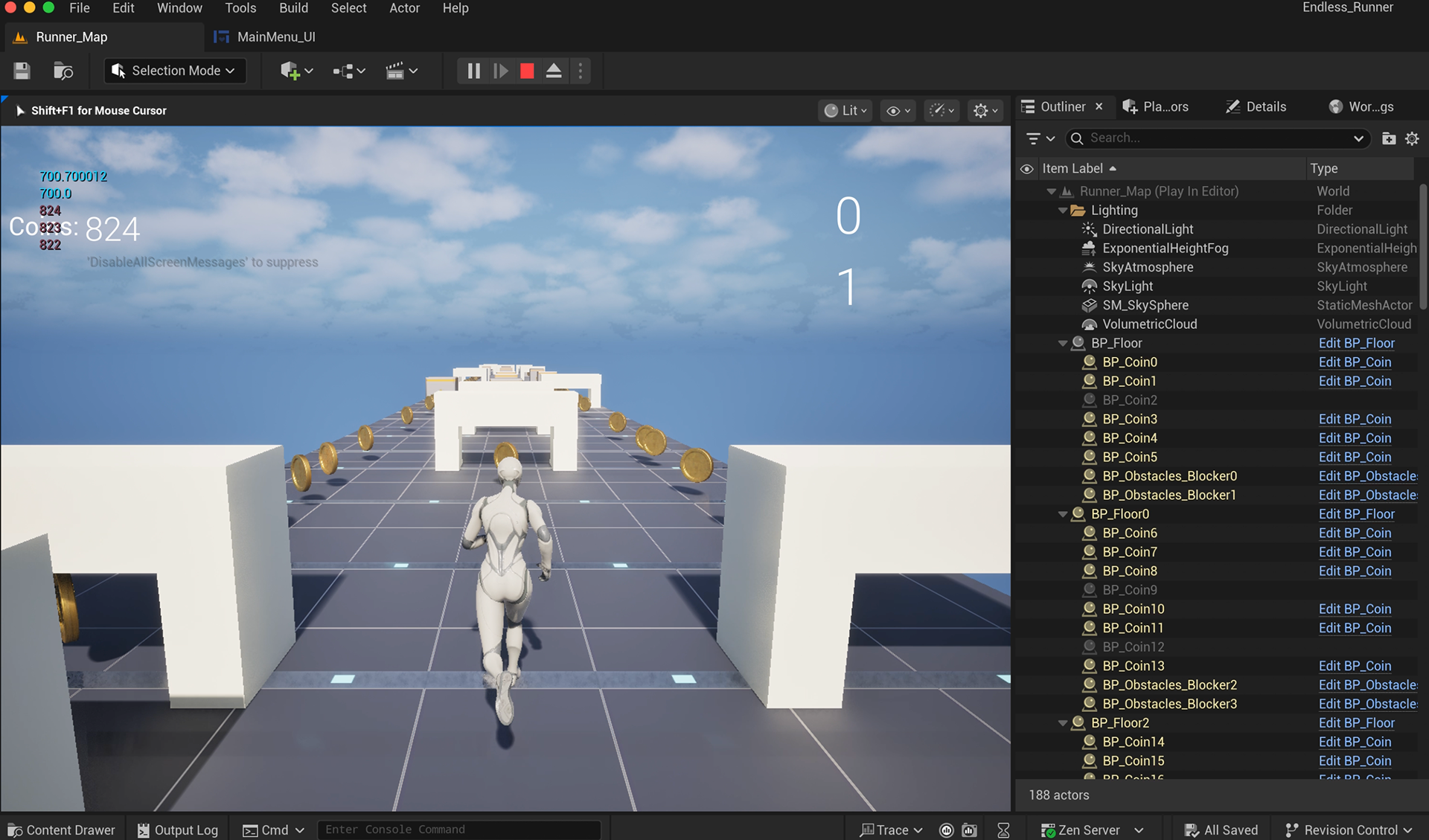
The level was built as a modular sequence of obstacle patterns that could be recombined to create variety while maintaining consistency. Early design focused on lane width, spacing, and timing to ensure obstacles could be read and reacted to quickly.
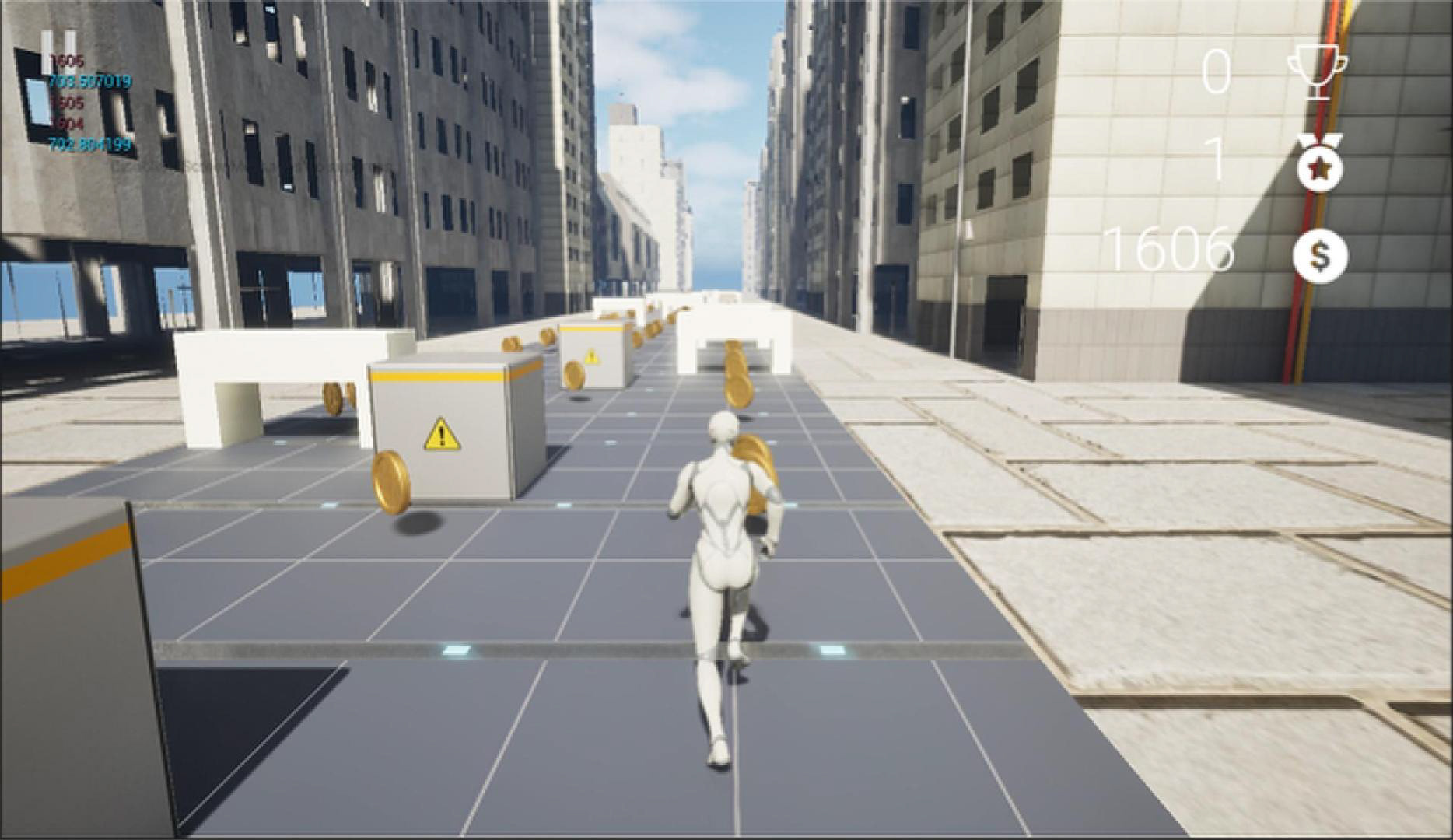
Visual cues such as obstacle silhouettes, colour contrast, and placement height were used to communicate player actions clearly.
Early obstacle layouts focused on testing spacing, timing, and player reaction windows
Obstacle Design & Readability
Obstacles were designed with distinct silhouettes and predictable behaviors to ensure clarity at speed. Patterns were introduced gradually, allowing players to learn interactions before encountering more complex combinations.
Obstacle patterns were iterated to improve readability and reduce unfair failure scenarios.
Spacing and sequencing were refined to avoid overwhelming the player while still maintaining challenge.
Difficulty Scaling & Pacing
Difficulty progression was handled through gradual increases in obstacle frequency, pattern complexity, and movement speed. Short recovery moments were intentionally included between high-intensity sequences to preserve flow and prevent fatigue.
This pacing approach helps sustain engagement over longer play sessions without relying on abrupt difficulty spikes.
Outcome
Clear, readable obstacle patterns at high speeds
Consistent visual language supporting player decision-making
Smooth difficulty ramp that maintains flow
A modular level structure supporting replayability
Reflection
Small spacing and timing adjustments had a significant impact on perceived fairness
Readability is critical in fast-paced designs where reaction time is limited
With more time, additional biome variations and dynamic obstacles could further expand gameplay depth