A gameplay walkthrough demonstrating player movement, combat space design, and spatial readability within a blockout environment.
Overview
Concept
Grounded is an FPS blockout environment focused on designing clear, functional combat spaces. The project emphasizes layout, player movement, and encounter readability over visual detail.
Player Experience
Players navigate a series of interconnected combat spaces, making moment-to-moment decisions based on positioning, cover, and sightlines.
Core Loop
Move → Engage → Reposition → Advance
>>>>>>>>>>>>>>>>>>>>>>>>>>>>>>>>>>>>>>>>>>>>>>>>>>>>>>>>>>>>>>>>>>>>
Design Focus
> Combat space readability and clarity
> Strategic cover placement
> Player movement through interconnected spaces
> Use of sightlines to influence decision-making
>>>>>>>>>>>>>>>>>>>>>>>>>>>>>>>>>>>>>>>>>>>>>>>>>>>>>>>>>>>>>>>>>>>>
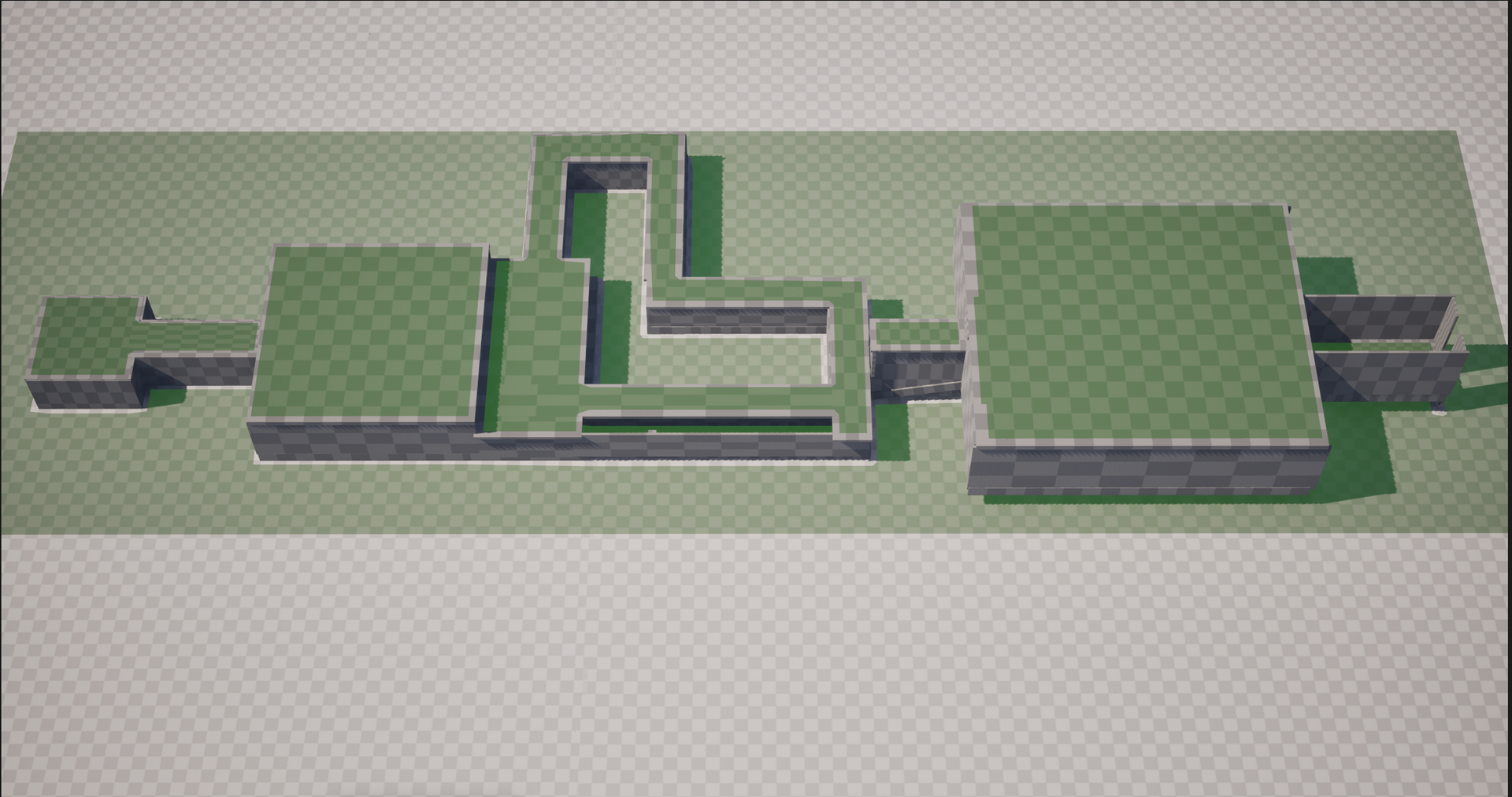
Level Layout & Flow
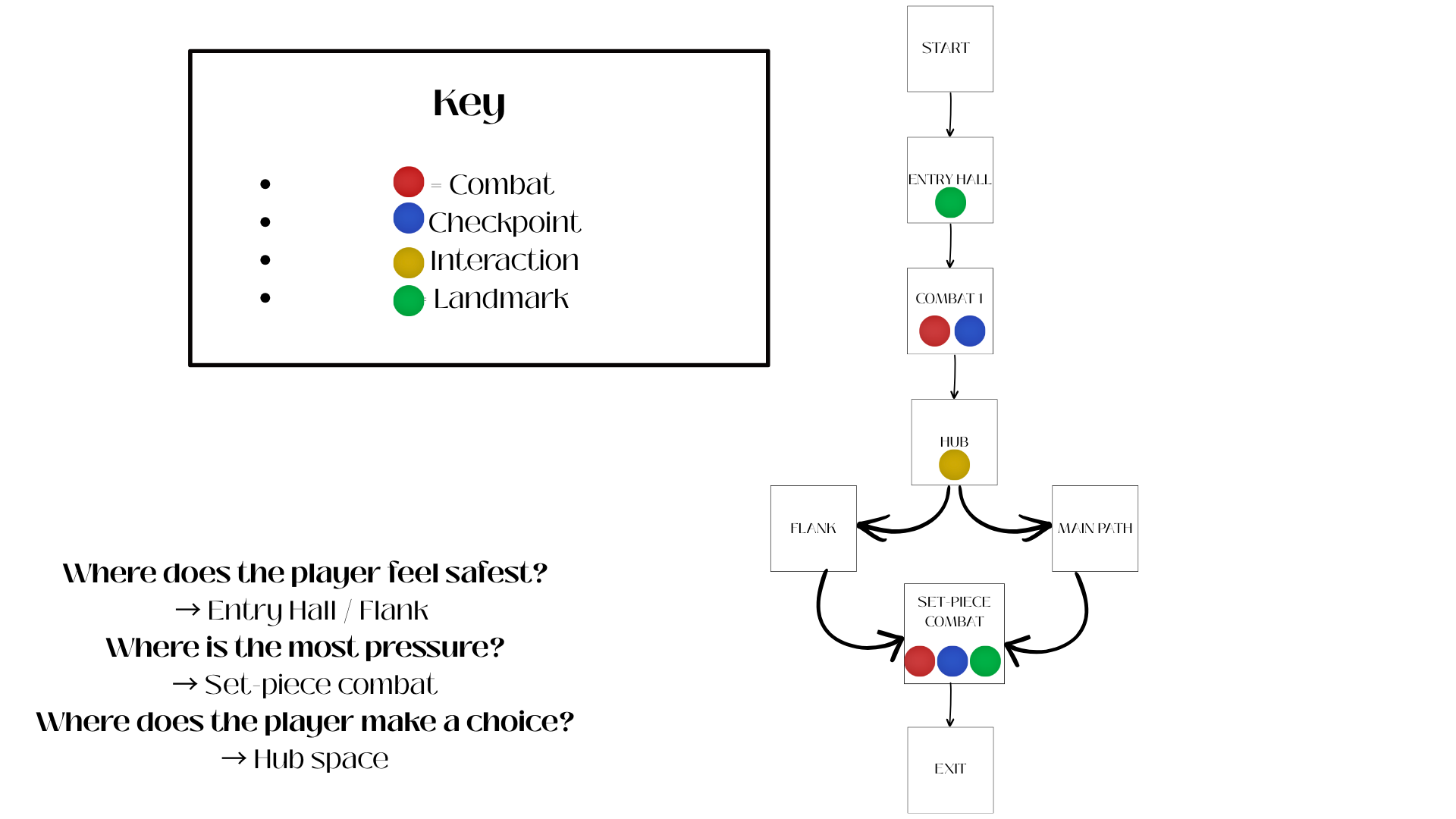
The level is structured to guide the player through a sequence of combat scenarios:
> Entry Zone
Introduces basic movement and spatial awareness
> Primary Combat Area
Open space with multiple cover options and sightlines
> Transition Spaces
Corridors and chokepoints that control pacing
> Secondary Combat Zones
Varied layouts that encourage repositioning
The layout alternates between open and constrained spaces to maintain engagement and pacing.
>>>>>>>>>>>>>>>>>>>>>>>>>>>>>>>>>>>>>>>>>>>>>>>>>>>>>>>>>>>>>>>>>>>>
Combat Space Design
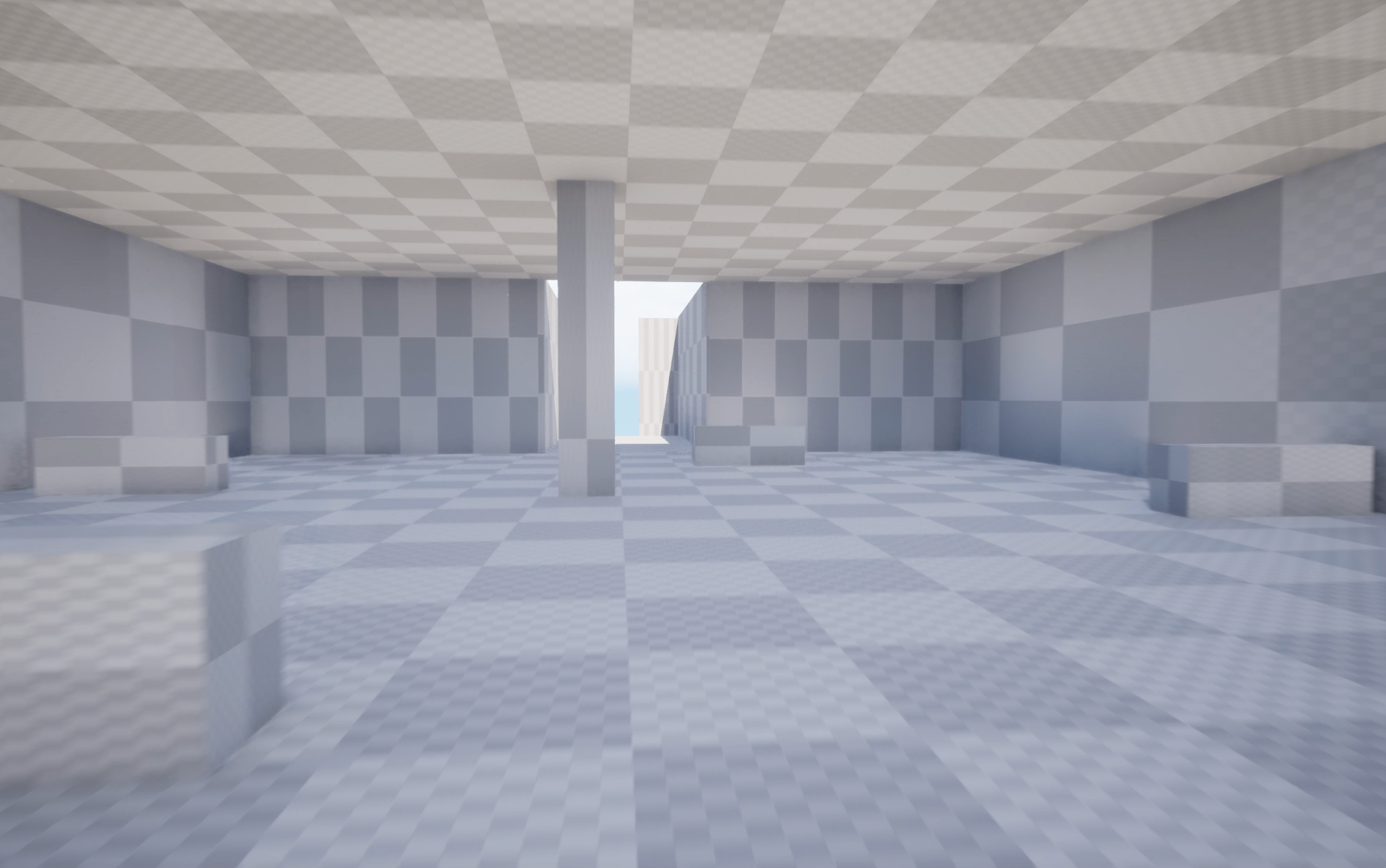
Combat encounters are designed around player choice and positioning:
> Cover is placed to create meaningful movement decisions
> Sightlines allow for both direct engagement and flanking routes
> Open areas increase exposure and risk
> Chokepoints create moments of tension and control
Design intent: Encourage players to constantly reposition rather than remain static.
>>>>>>>>>>>>>>>>>>>>>>>>>>>>>>>>>>>>>>>>>>>>>>>>>>>>>>>>>>>>>>>>>>>>
Sightlines & Readability
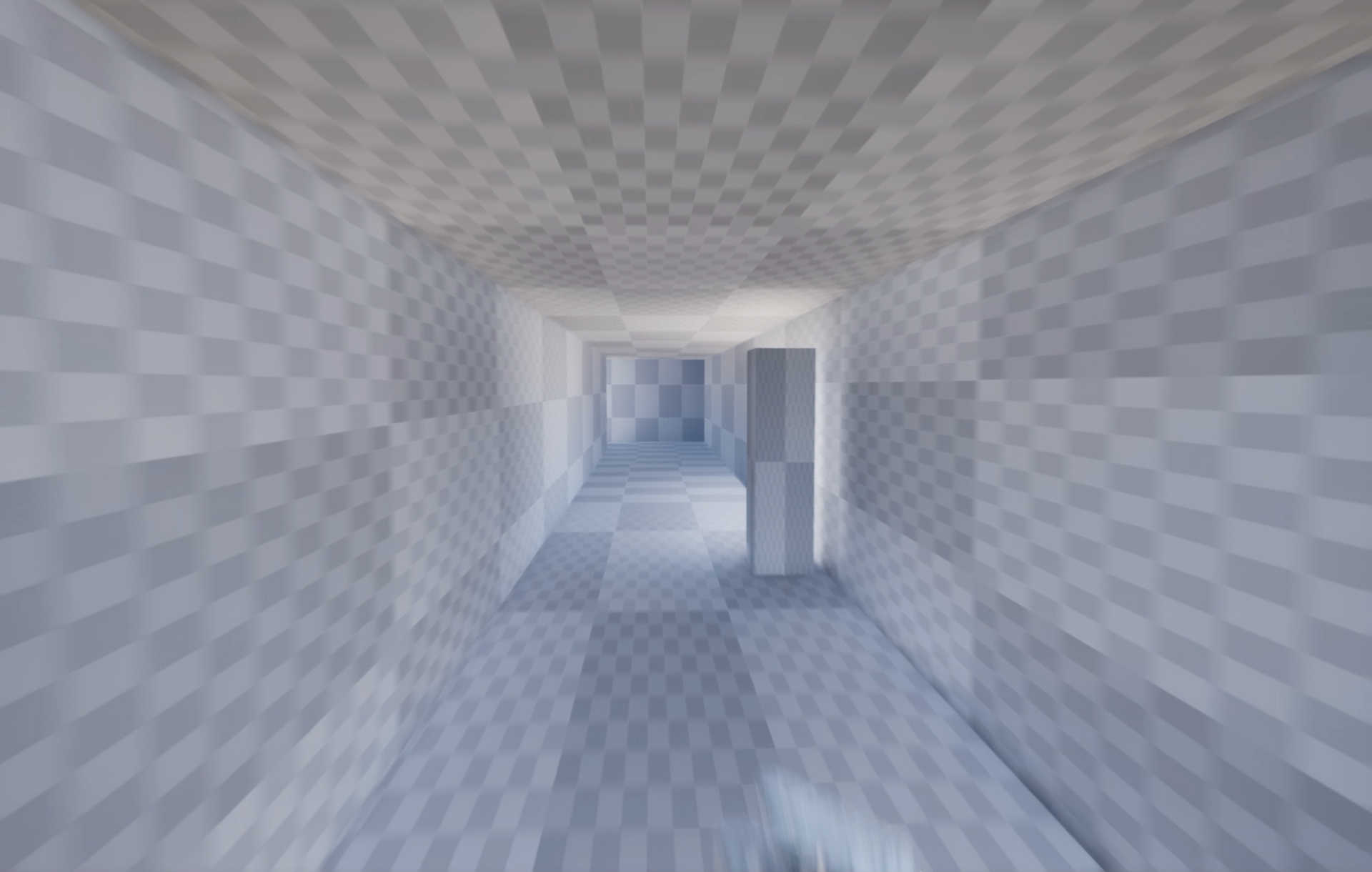
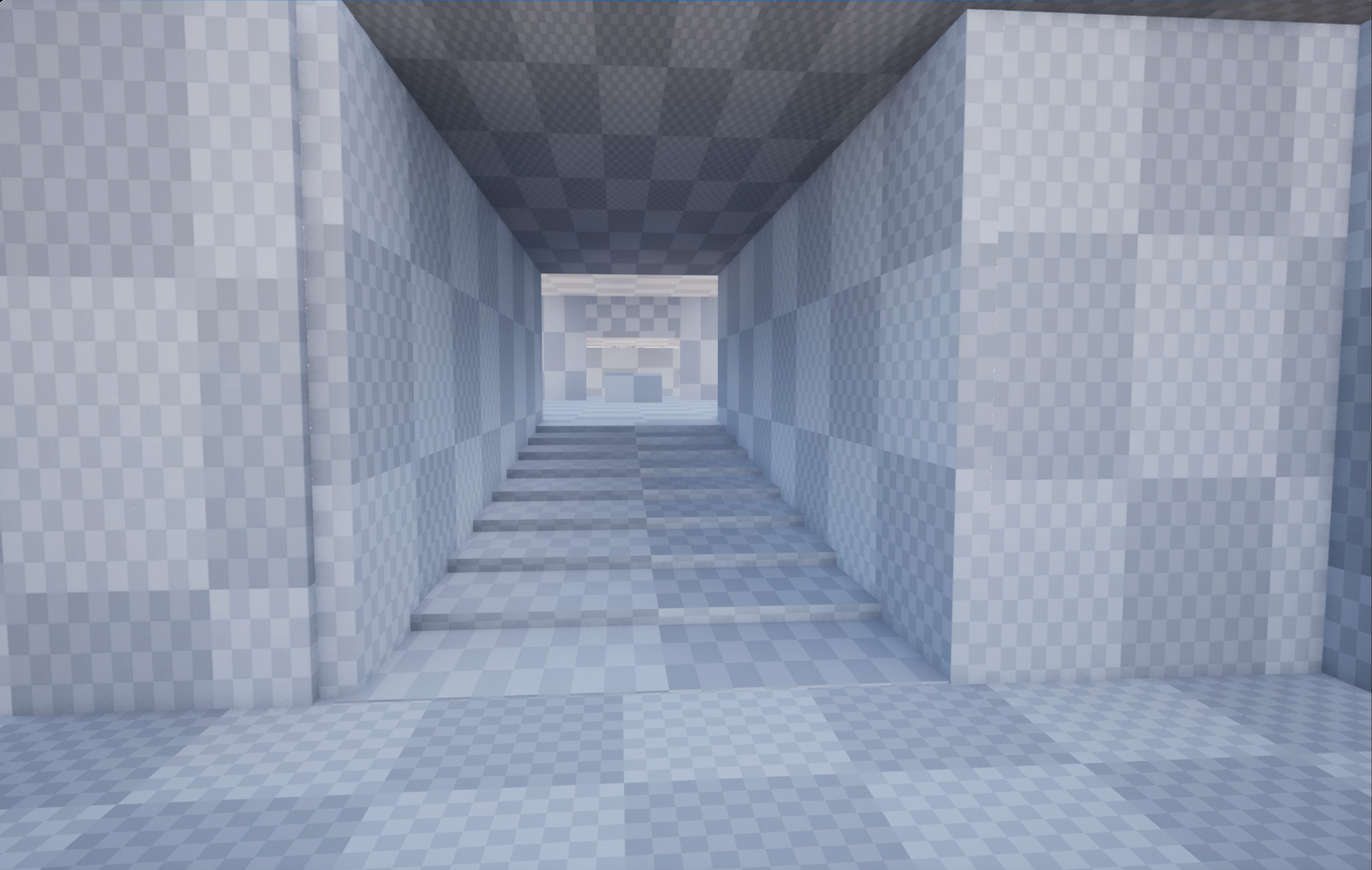
Sightlines are used to guide player awareness and engagement:
> Long sightlines create anticipation before entering combat zones
> Shorter, broken sightlines increase tension in tighter spaces
> Clear visual separation helps players quickly read the environment
This ensures the player can understand threats and opportunities at a glance.
>>>>>>>>>>>>>>>>>>>>>>>>>>>>>>>>>>>>>>>>>>>>>>>>>>>>>>>>>>>>>>>>>>>>
Player Flow & Pacing
The level pacing is structured to maintain engagement:
> Start – Orientation
Simple layout introduces movement and scale
> Mid – Engagement
Larger combat areas increase complexity and decision-making
> End – Pressure
Tighter spaces and chokepoints create higher tension
This creates a gameplay rhythm of: Position → Engage → Reposition → Advance
>>>>>>>>>>>>>>>>>>>>>>>>>>>>>>>>>>>>>>>>>>>>>>>>>>>>>>>>>>>>>>>>>>>>
Iteration & Development
Development Focus
> Refining cover placement for better combat flow
> Adjusting spacing to improve engagement distances
> Improving transitions between combat zones
>>>>>>>>>>>>>>>>>>>>>>>>>>>>>>>>>>>>>>>>>>>>>>>>>>>>>>>>>>>>>>>>>>>>
Next Steps
> Introduce AI encounters to validate combat design
> Further refine sightlines for better readability
> Expand layout variations for more dynamic gameplay
This project focuses on core FPS level design principles through iterative blockout development.
>>>>>>>>>>>>>>>>>>>>>>>>>>>>>>>>>>>>>>>>>>>>>>>>>>>>>>>>>>>>>>>>>>>>
Tools Used
> Unreal Engine 5
> Level Blockout (Greyboxing)
> Basic gameplay testing