Project Overview
Shadow Depths is a 2D dungeon crawler inspired by classic arcade titles, with a focus on modernizing combat flow, level structure, and player progression. The project explores how room layout, enemy placement, and pacing can work together to create engaging moment-to-moment gameplay.
The goal of this project was to design and prototype a core gameplay experience that balances challenge, readability, and progression within a dungeon-based structure.
Design Goals
Create readable combat spaces that support player decision-making
Design room layouts that encourage movement and spatial awareness
Balance enemy placement to reinforce pacing and difficulty progression
Support player learning through layout and encounter design rather than instruction
Core Gameplay & Level Structure
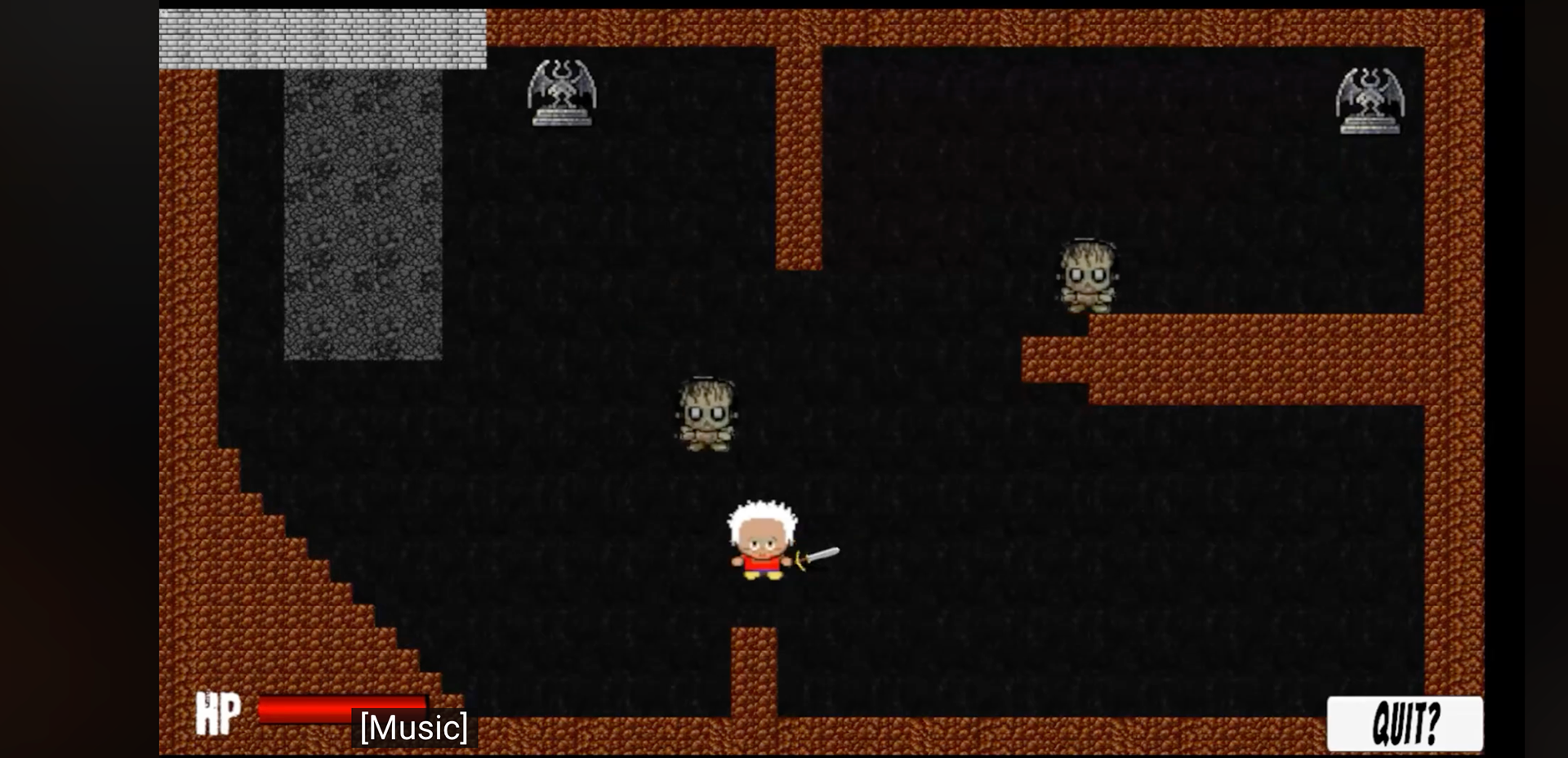
The dungeon levels were designed as a series of interconnected rooms, each serving a specific gameplay purpose such as combat introduction, difficulty escalation, or player recovery. Early layouts focused on room shape, entry points, and enemy positioning to ensure encounters felt fair and readable.
Special attention was given to how players enter and exit rooms, using space and enemy positioning to naturally guide player focus during encounters.
Early room layouts focused on testing combat space, movement range, and enemy behaviour.
Iteration & Combat Flow
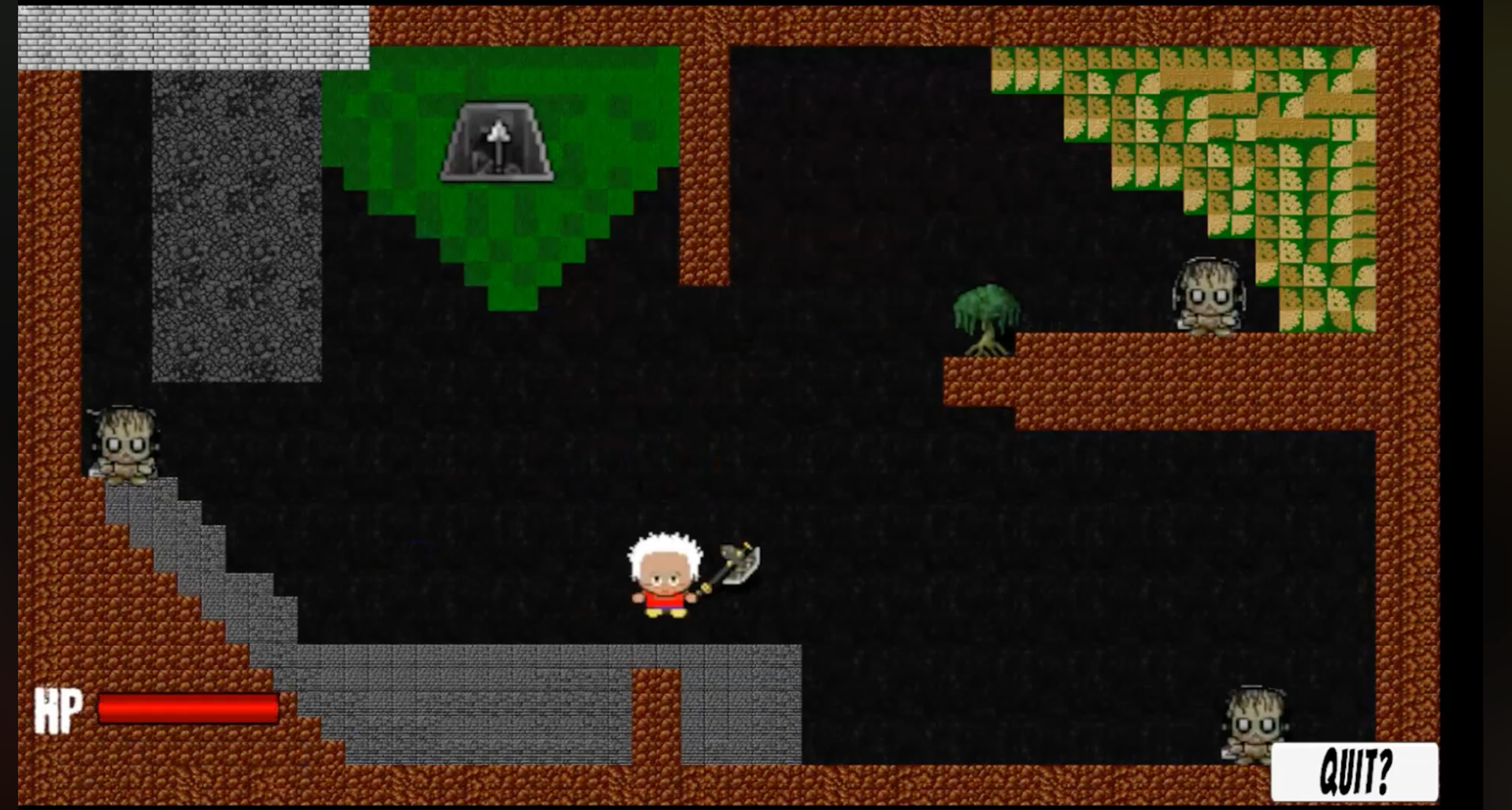
Combat encounters were iterated on through repeated playtesting and adjustment. Enemy density, spawn locations, and movement patterns were refined to reduce overwhelming situations while maintaining tension.
Room layouts were modified to create opportunities for positioning, dodging, and moment-to-moment decision-making rather than static combat.
Enemy placement was adjusted to improve readability and support smoother combat flow
Progression & Pacing
Difficulty progression was structured through gradual enemy introductions and increasing encounter complexity. Early rooms introduce core mechanics, while later rooms layer additional challenges to test player mastery.
Level pacing was balanced by alternating high-intensity combat spaces with lower-pressure transitional areas, giving players time to recover and reorient.
Outcome
Combat encounters that reward movement and positioning
Clear, readable dungeon layouts that support player learning
Balanced difficulty curve through structured progression
A flexible level framework capable of supporting additional content
Reflection
Designing combat spaces alongside enemy behavior significantly improved encounter quality
Iteration was critical in balancing challenge and readability
With more time, additional enemy archetypes and room variations could further deepen progression and replayability