SOLO · LEVEL DESIGN · ENVIRONMENT ART

39 Days

You wake alone in an isolated cabin with no memory of arriving. A journal counts thirty-nine days. A note warns you away from the basement. Something wants you to stay — and something else wants you to leave.

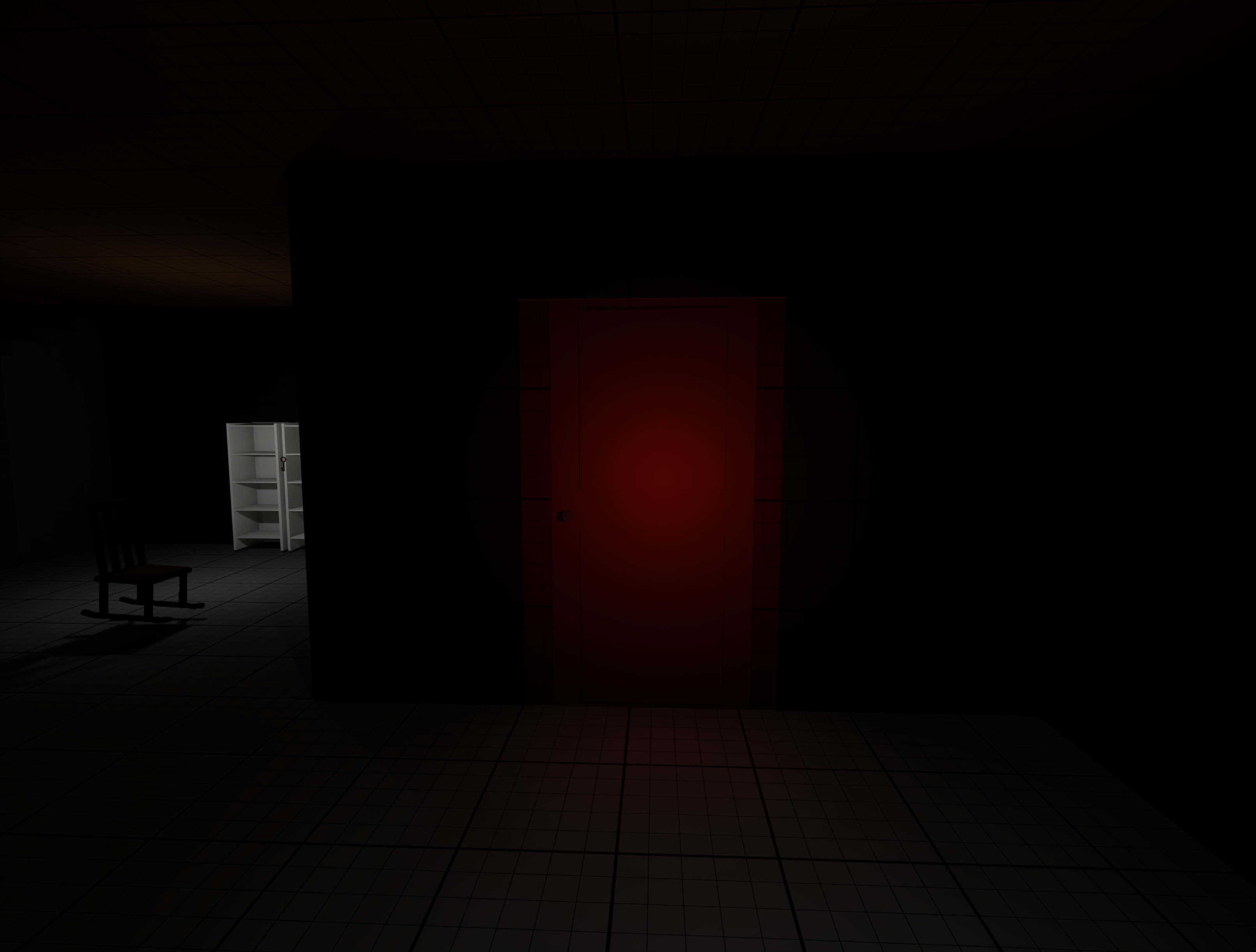
39 Days hero shot

Overview

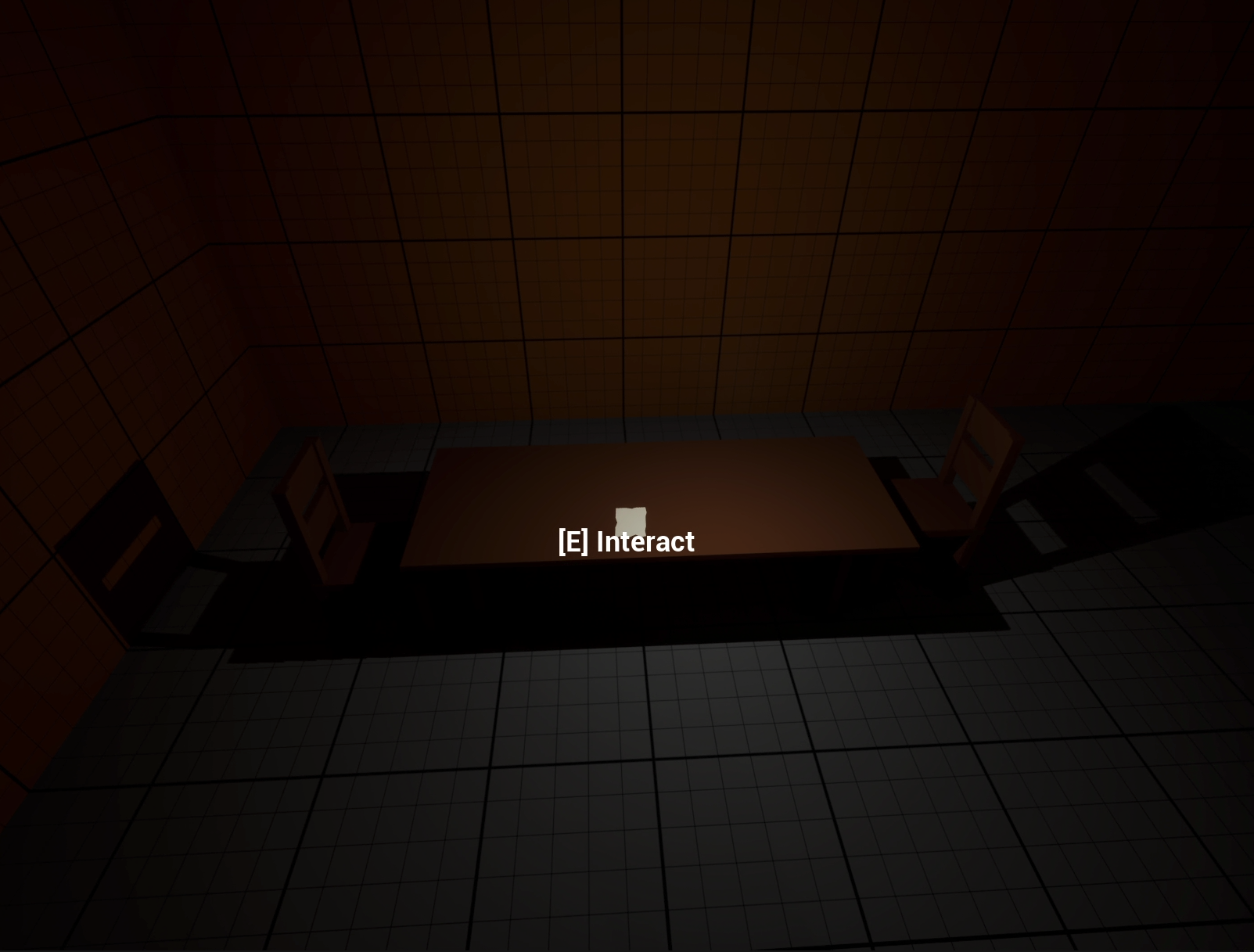
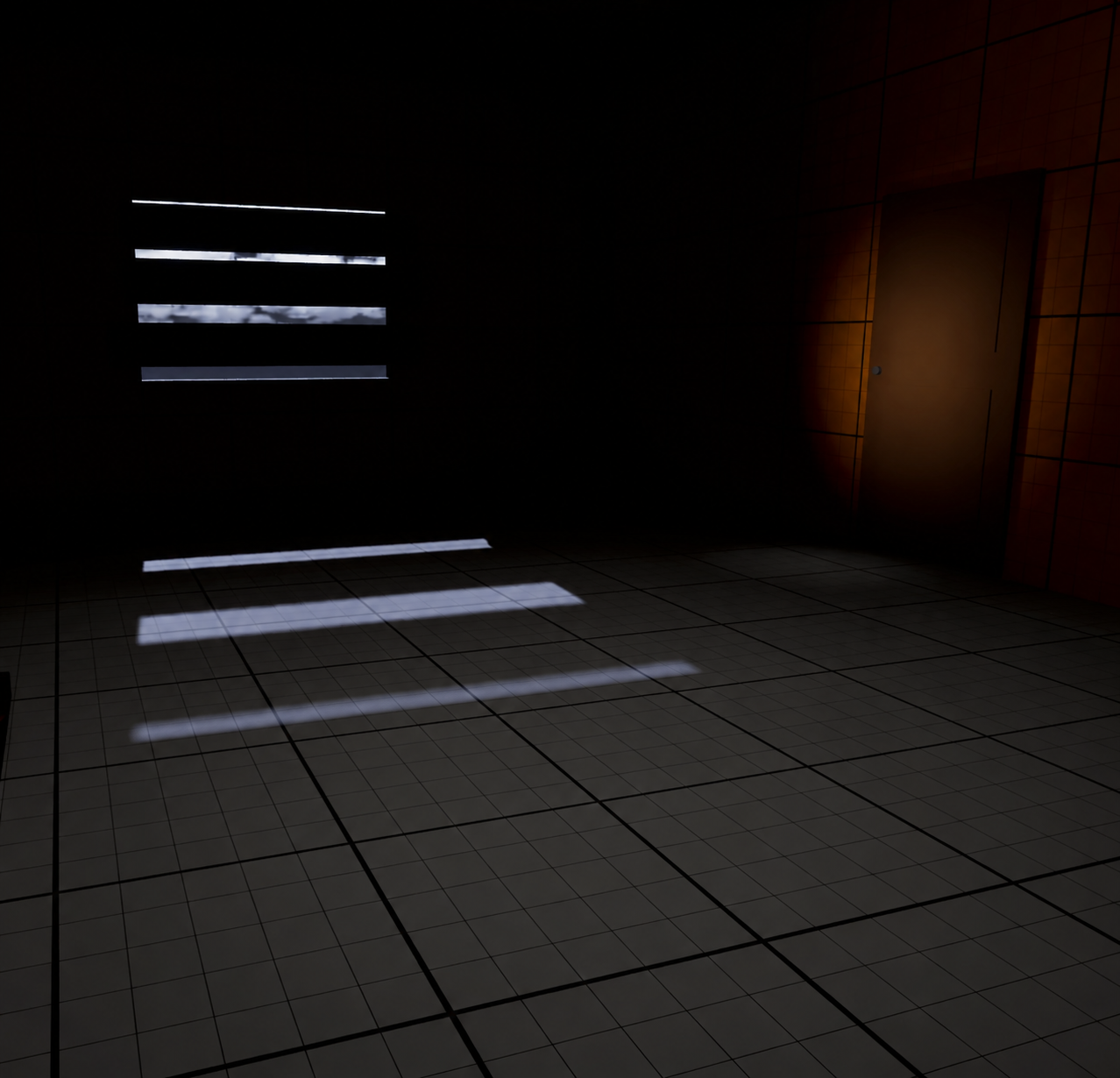
39 Days is a three-floor psychological horror exploration level built solo in Unreal Engine 5. The player pieces together what happened to the cabin's occupants through environmental clues, lore items, and a locked basement that only opens once they've earned the truth. Every prop in the space, down to the furniture, is modeled by hand, and the whole level is playable start to finish with a full lighting pass.

ENGINE
Unreal Engine 5
LEVEL TYPE
Exploration / Psychological Horror
SCOPE
Three-Floor Interior
STATUS
Playable · Lighting complete
TIMELINE
August 2026
ROLE
Level Designer & Environment Artist

My Role

Level Map

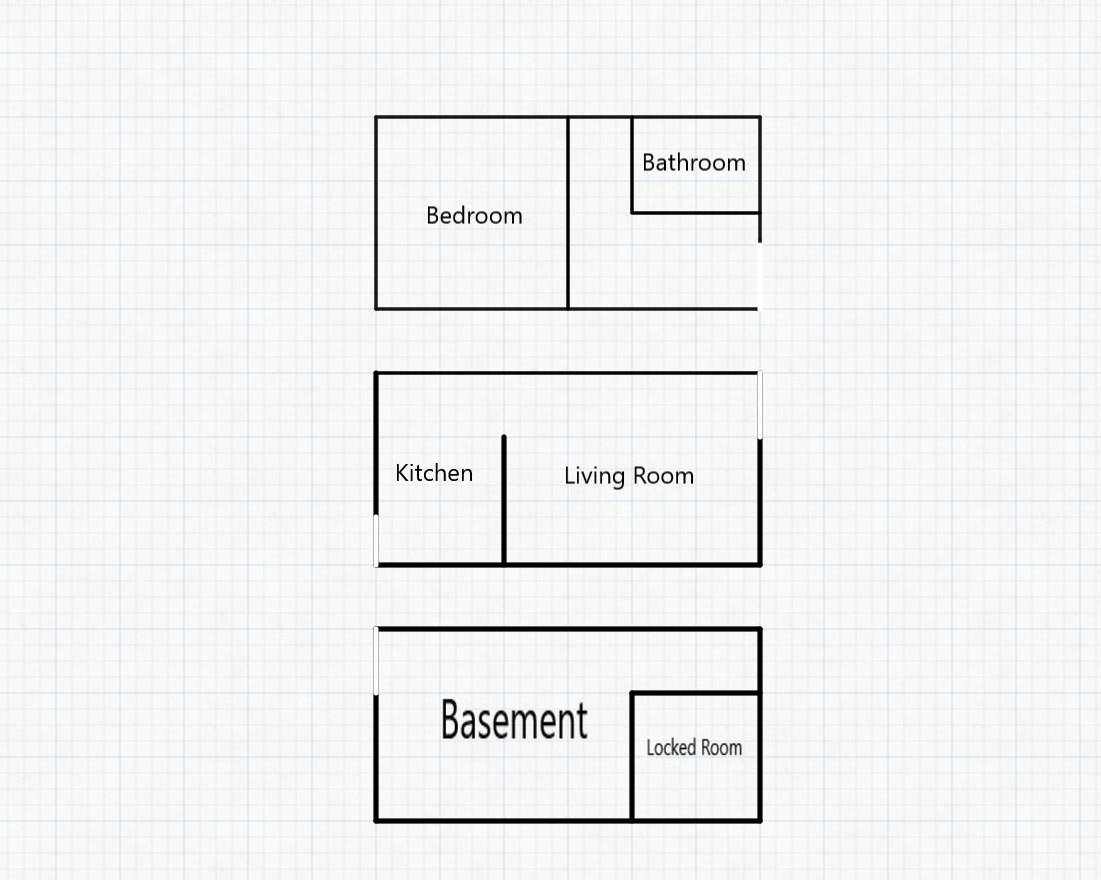
The original paper map I sketched out for the cabin's three floors — room sequencing, interactable placement, and the locked basement gate that pays off the full exploration loop.

Hand-drawn paper map of the Horror Cabin's three floors

Blockout to Final

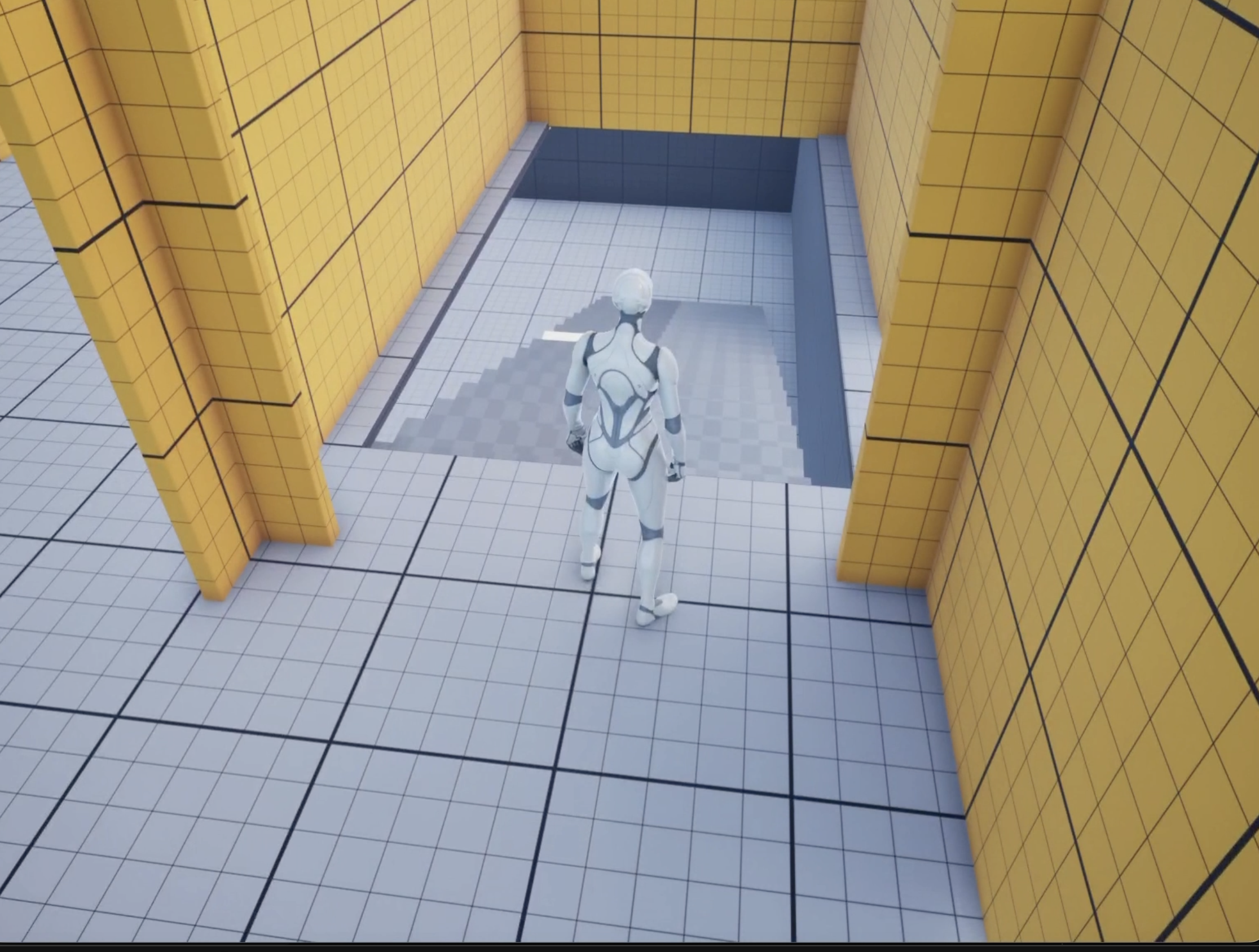
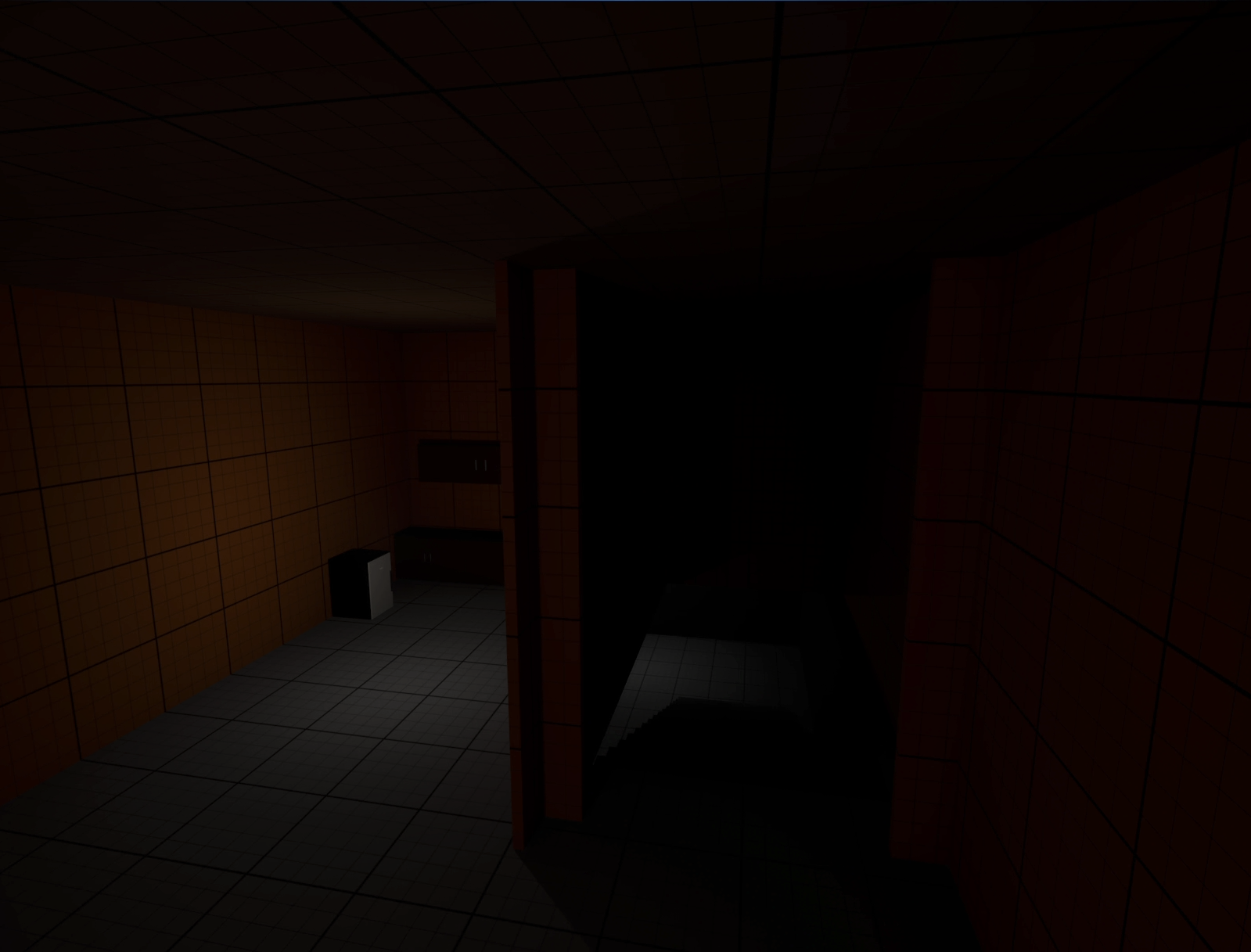
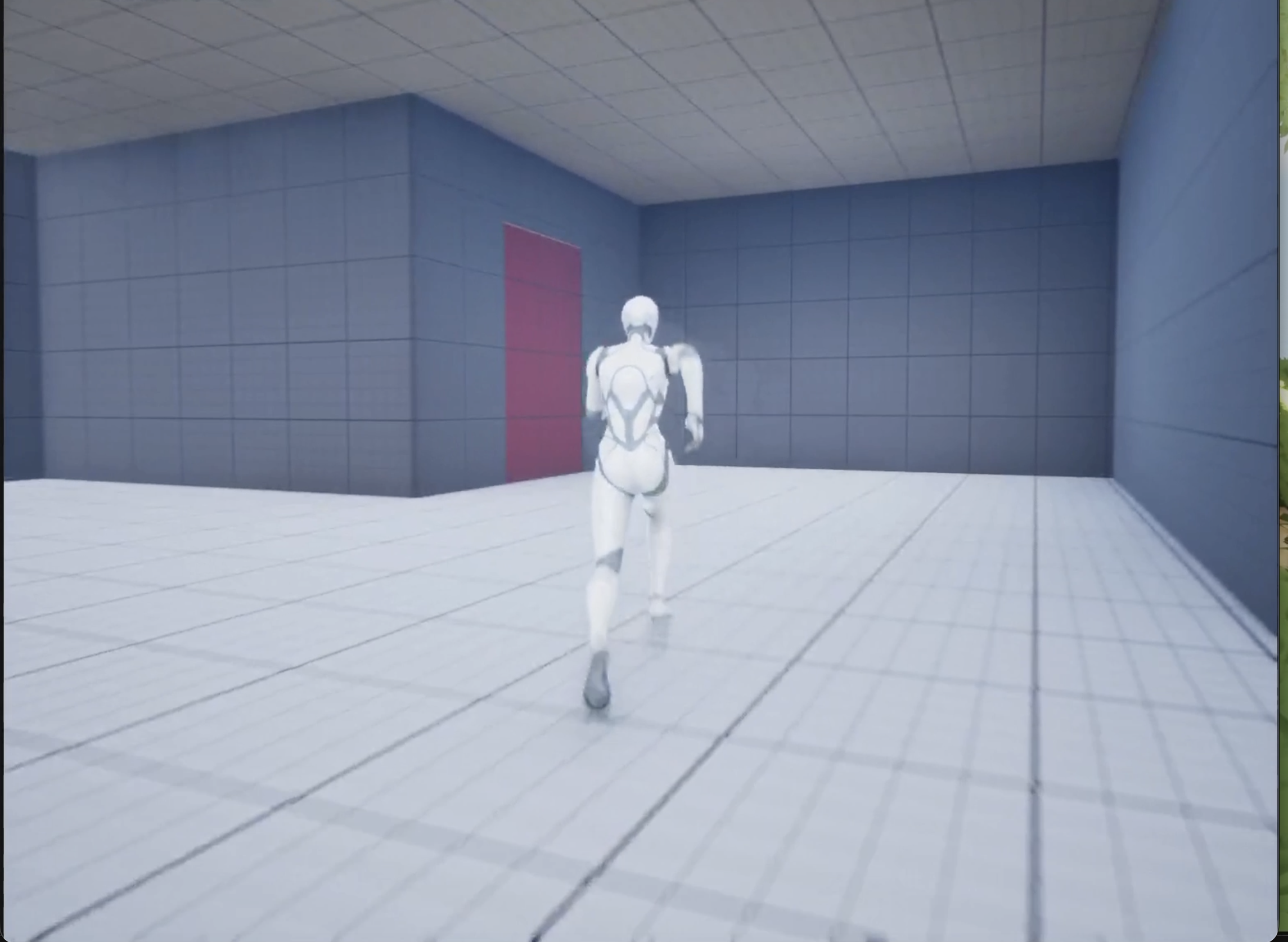
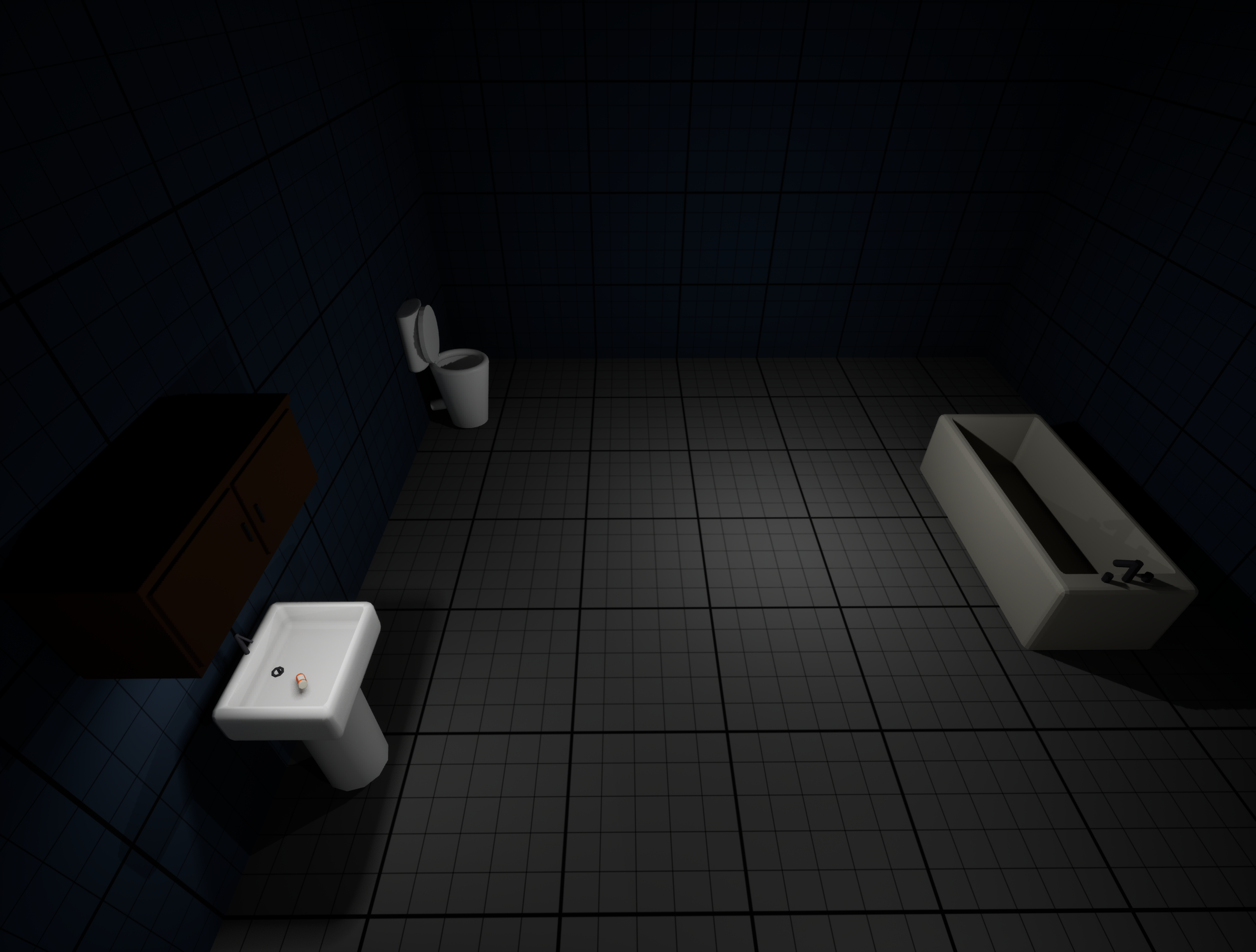
The build sequence: greybox layout first to prove the space plays, then lighting and hand-modeled dressing on top of a layout that already worked.

Design Challenges

Pacing Tension Without Combat

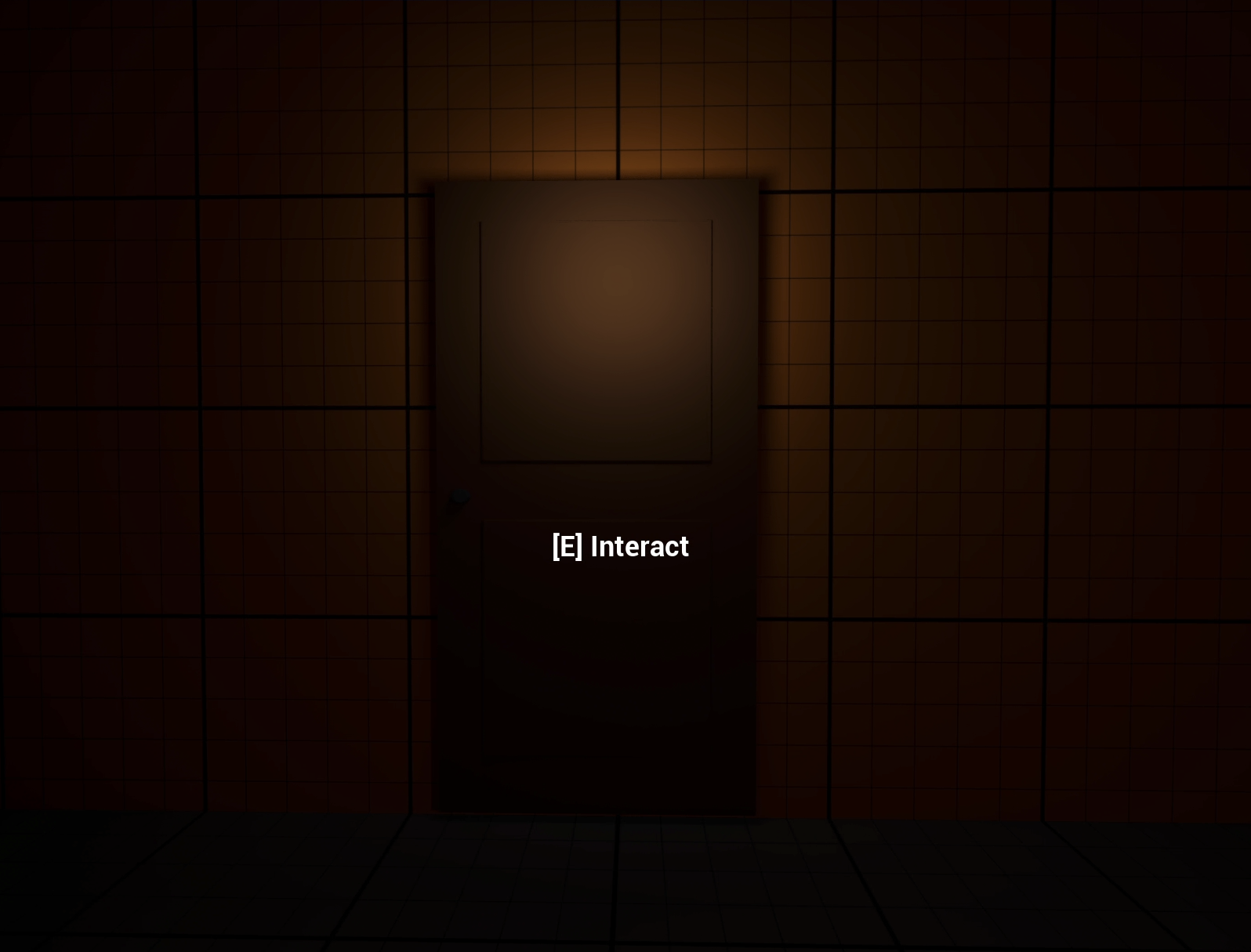
With no enemies or combat systems, tension has to come entirely from pacing, space, and light. I sequenced the three floors so each one raises the stakes — a lived-in ground floor, a more disturbed second floor, and a basement that's deliberately withheld until the player has earned the key. The locked door itself became a pacing tool, not just an obstacle: its placement on the level map (above) is the hinge the whole loop pays off on.

Environmental Storytelling Without Dialogue

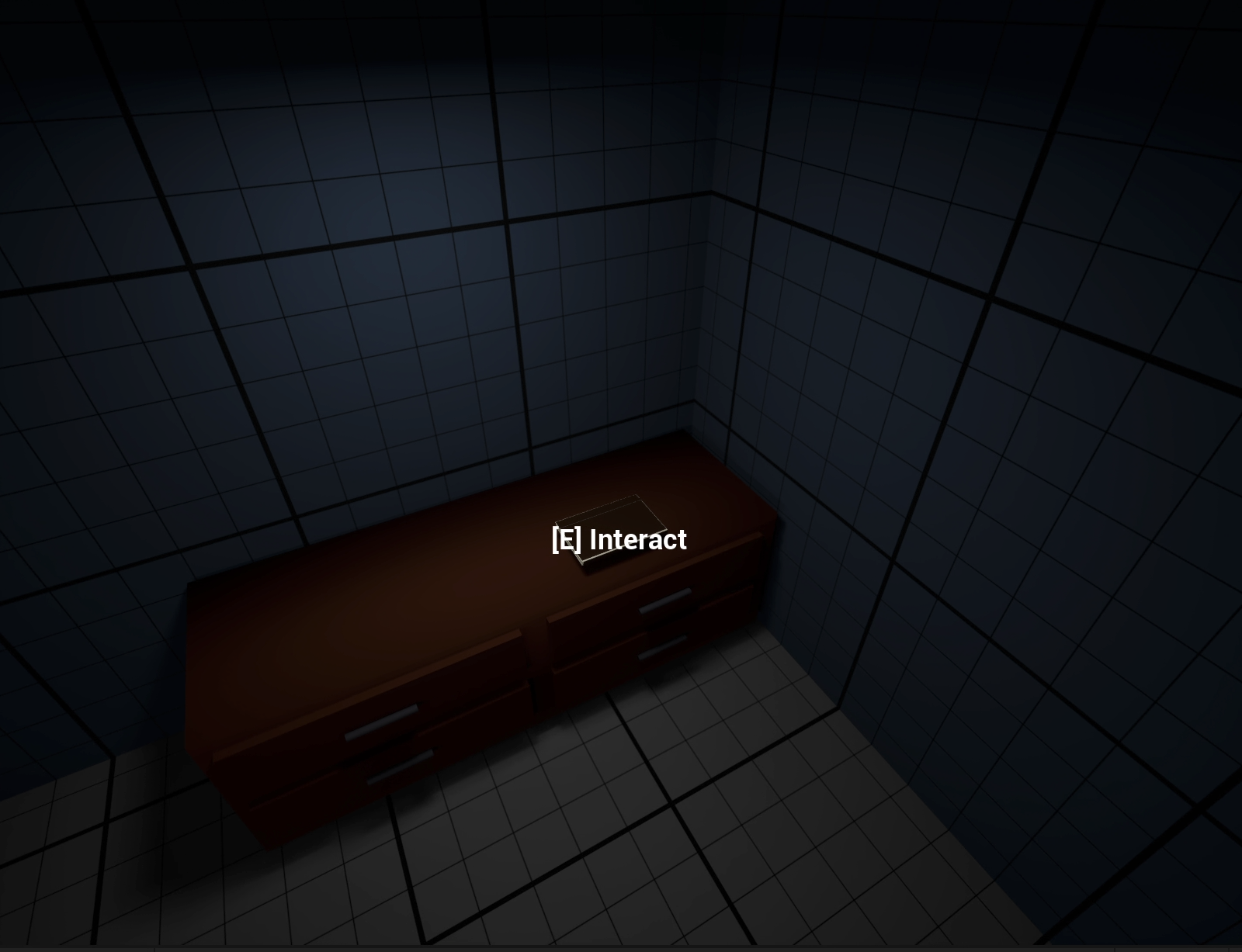
Every piece of backstory had to live in an object. A family portrait with the faces scratched out. A journal counting days in captivity. A note warning the player away from the one room they'll eventually have to enter. I designed each interactable to raise a question the next room would partially answer, so exploration itself became the narrative delivery system.

Building a Believable, Livable Space

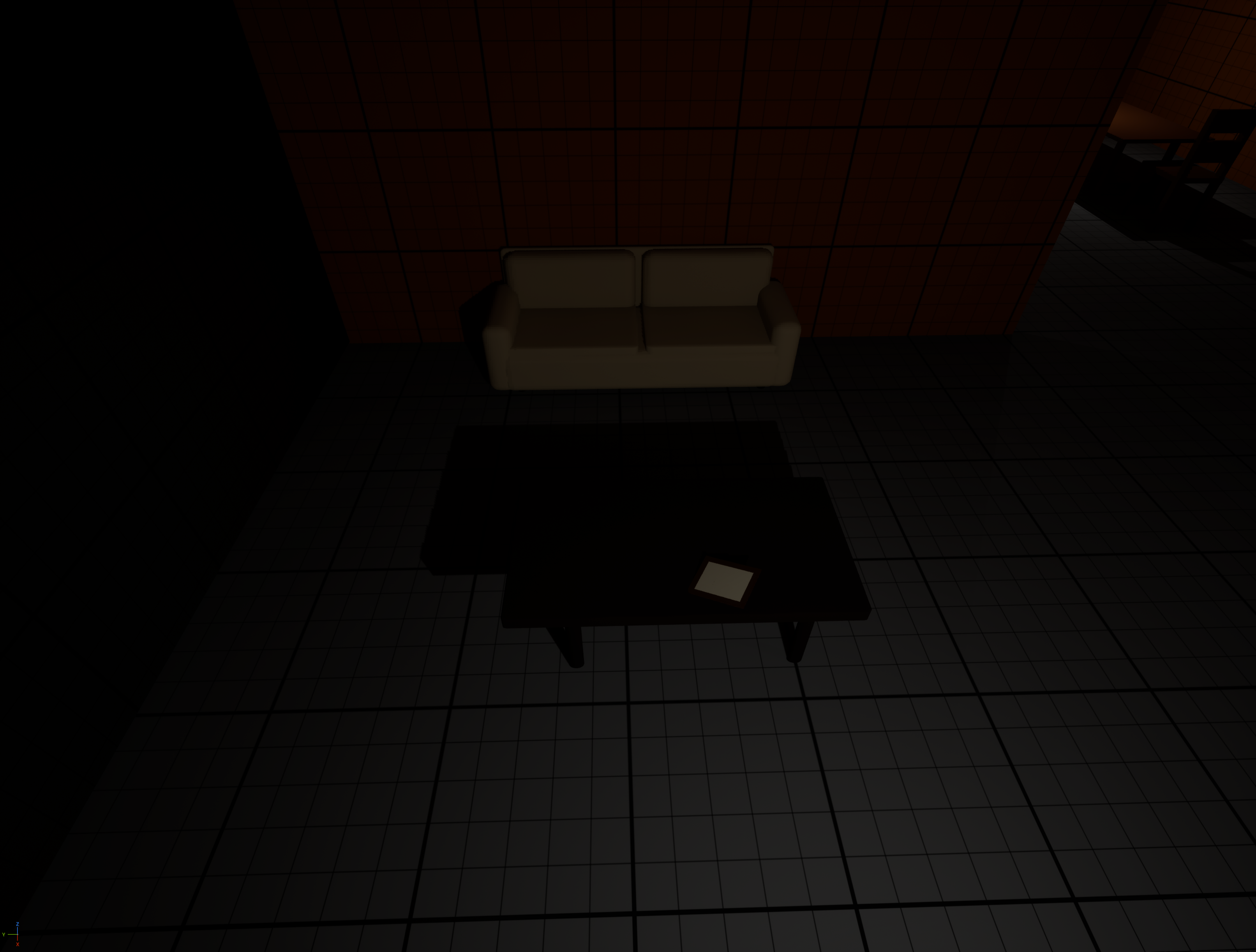
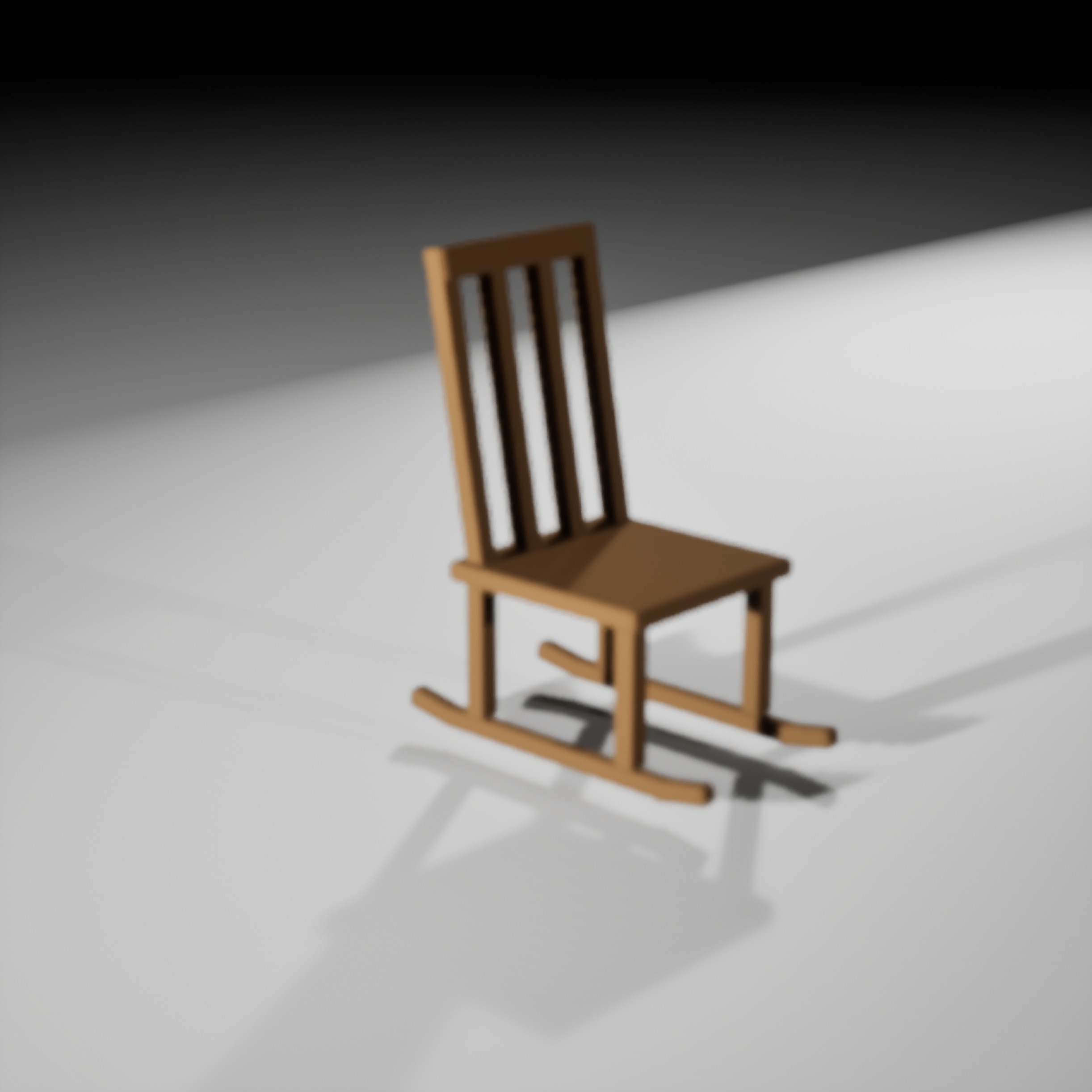
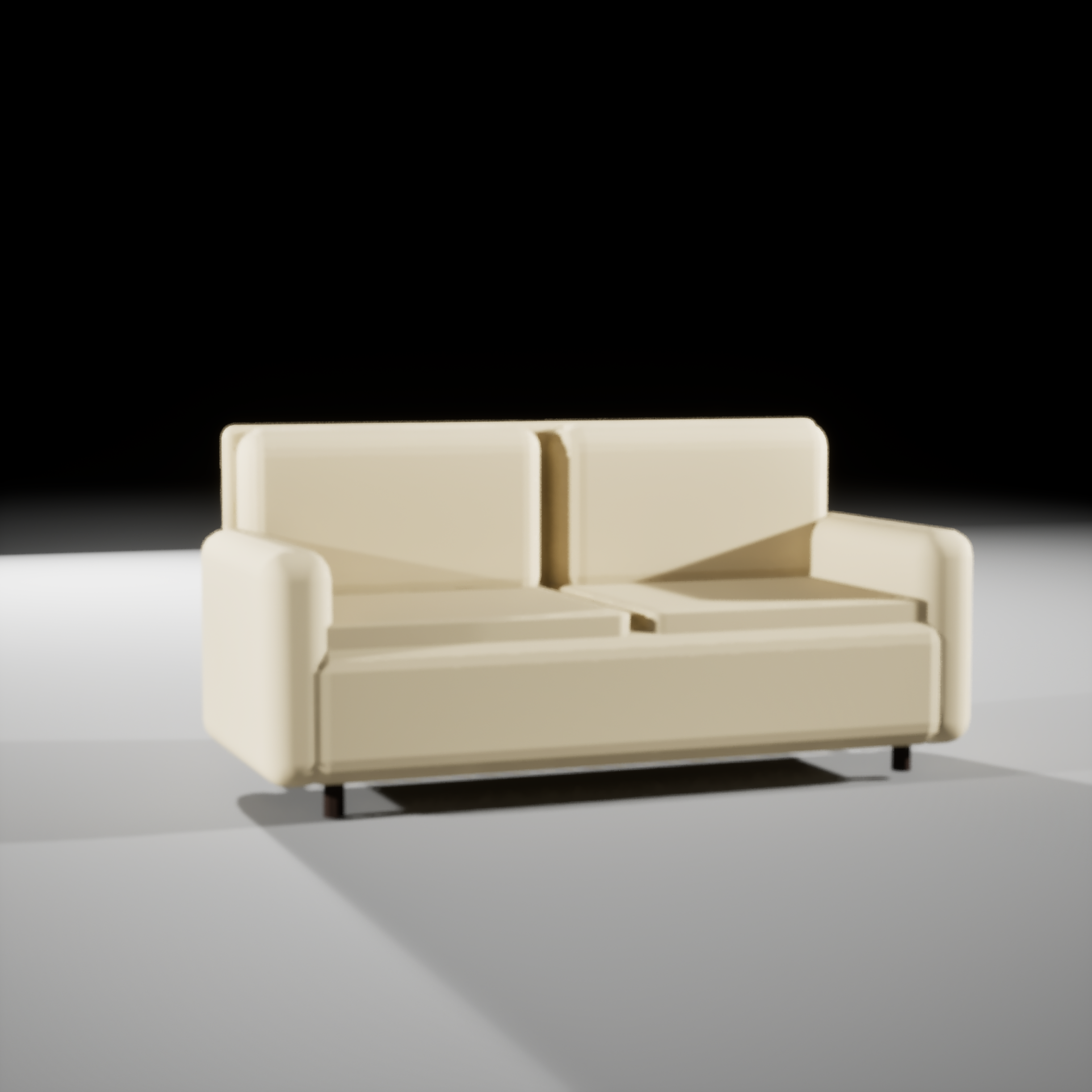
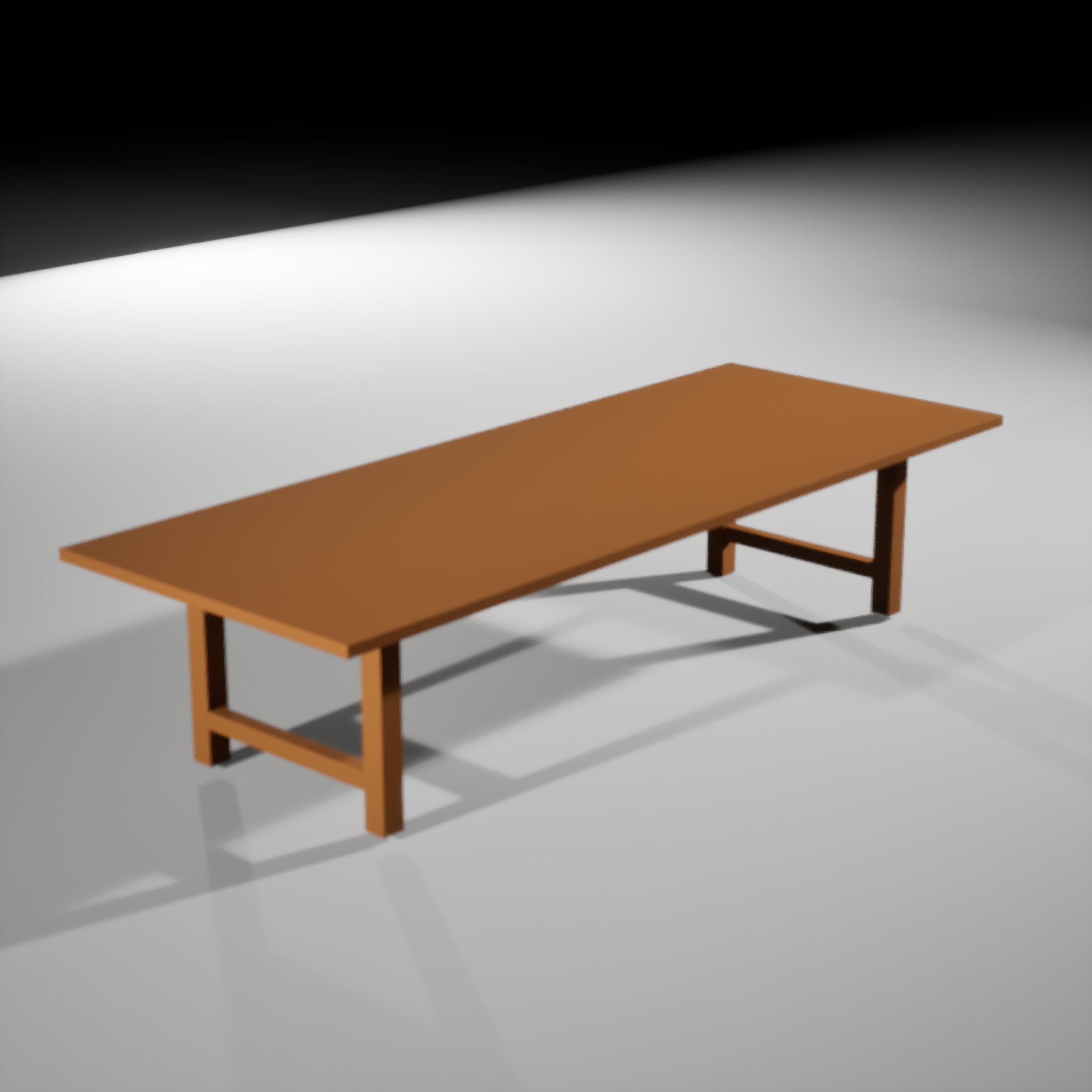
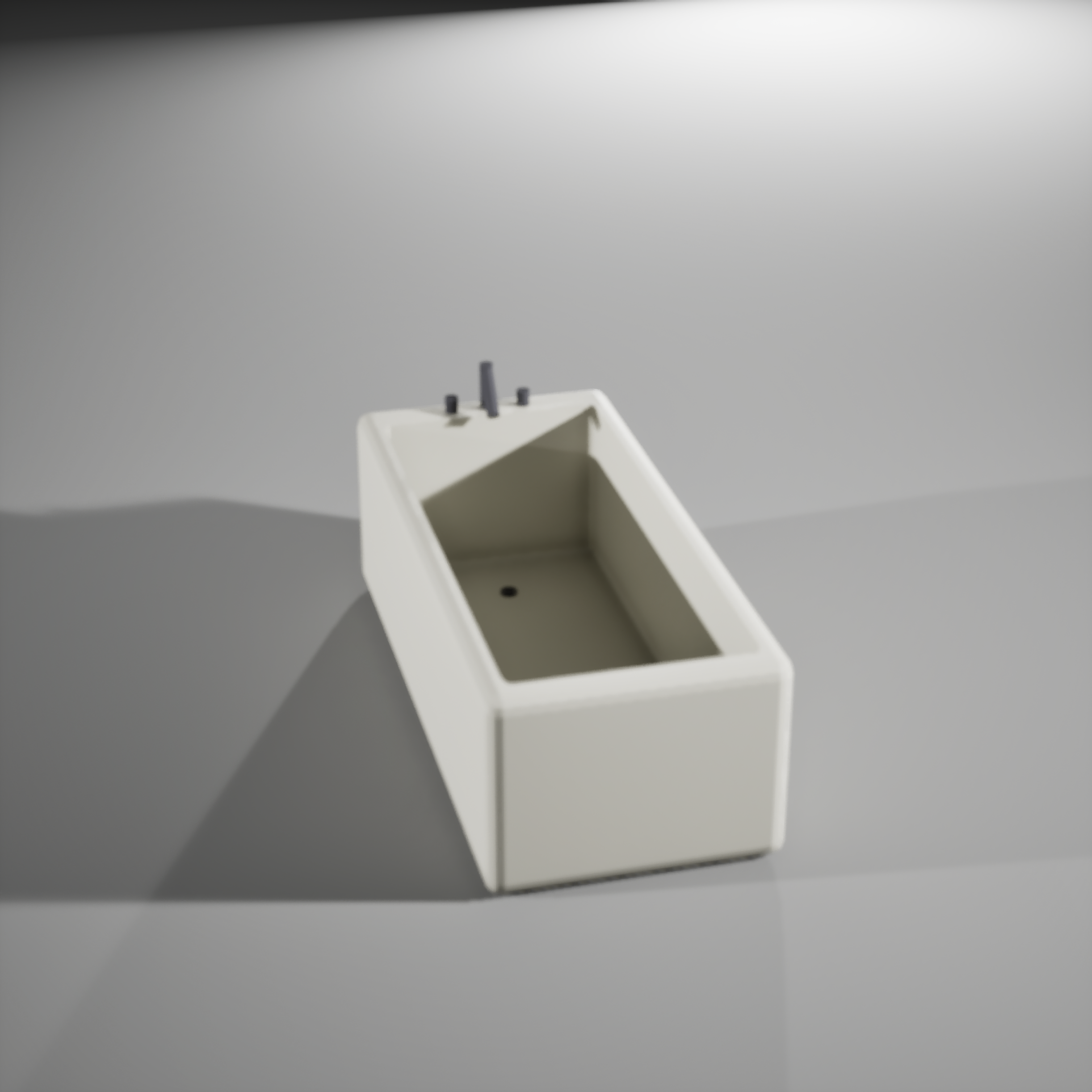
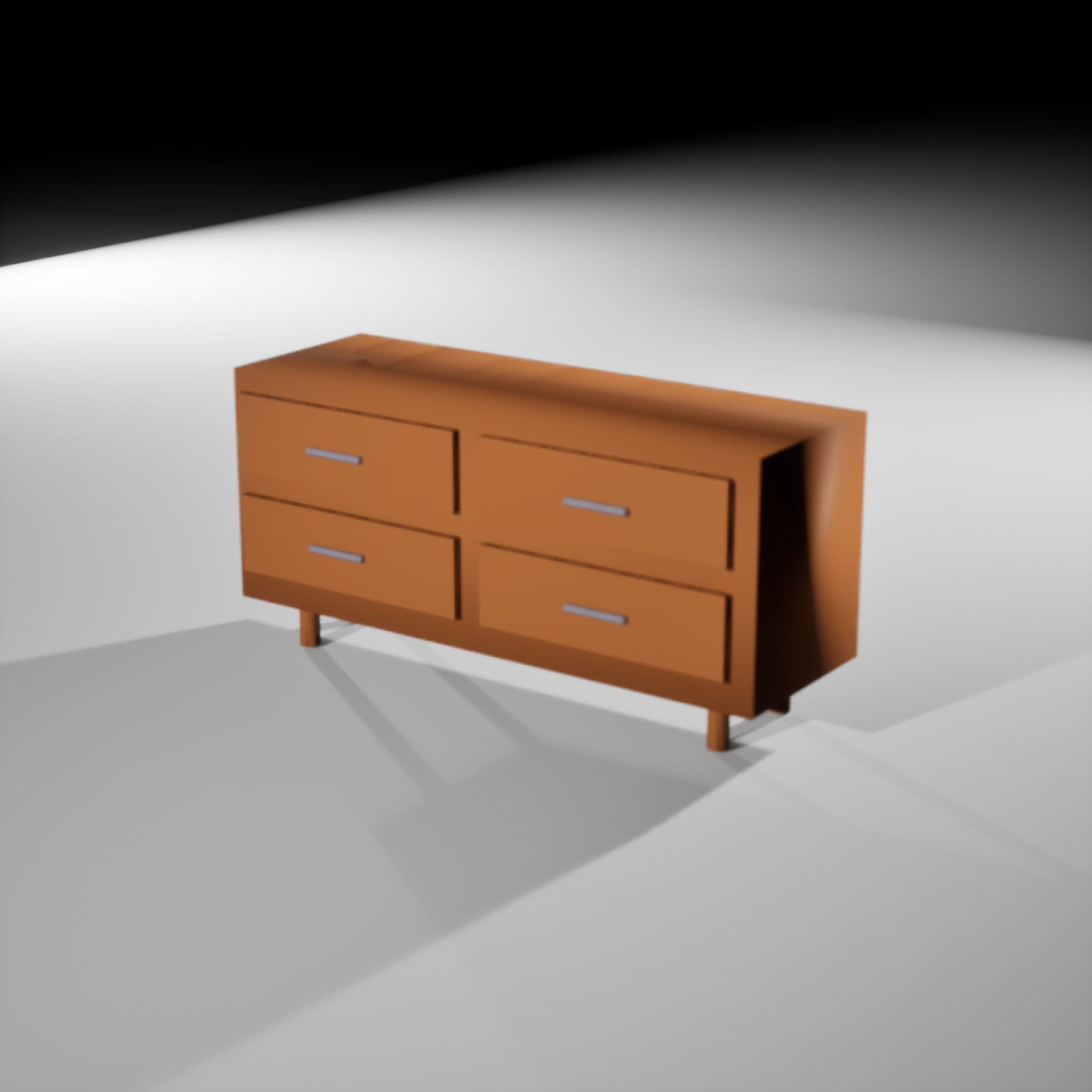
Horror lands harder in a space that feels real first. Rather than relying on asset packs, I modeled the cabin's furniture myself in Blender — a dimensions-first workflow with strict scale and export discipline — so every couch, table, and cabinet reads as an object that belongs in this specific home, not a generic prop dropped into a level. Full set shown in the Props gallery.

Rocking Chair — In Situ

A custom-modeled mesh driven by a Blueprint timeline. The motion is subtle by design — the room should feel like someone just left it.

Playthrough Video

Technical Breakdown

Every asset, system, and lighting pass in this level was built from scratch, with no marketplace or scanned content. This section covers the real-time decisions underneath the art direction.

ENGINE
Unreal Engine 5.7
GEOMETRY
23 assets hand-modeled from scratch — 17 furniture pieces, 6 interactables. 16,426 tris combined. Low-to-mid poly hard-surface workflow appropriate to interior props, built dimensions-first with scale applied at source.
LIGHTING
Lumen dynamic global illumination, no baked lightmaps — lighting iterated live rather than through bake cycles. Manual exposure via an unbound Post Process Volume so brightness reads consistently room to room. Warm practical sources against cool ambient fill.
NANITE
Enabled across static meshes for pipeline consistency. Worth being honest about the tradeoff: at roughly 700 tris per mesh, Nanite's cluster culling and continuous LOD have very little to work with, so it is adding a small amount of overhead for negligible benefit at this scope. On a shipping build I would profile with and without and most likely disable it here, reserving it for denser geometry where the culling actually pays for itself.
LODS
Not implemented. At single-interior scale with short draw distances, LODs weren't performance-critical for this build. Production next step: hand-authored LODs on hero props, auto-generated on background dressing.
MATERIALS
Material Instances throughout, organised by surface type — wood, fabric, ceramic, metal — with shared base materials reused across props to keep the material count lean. Surfaces are solid-colour PBR (base colour, roughness, metallic) rather than authored texture maps; the next production pass is albedo, normal, and roughness at 2K on hero props and 1K on background dressing.
GAMEPLAY SYSTEMS
Blueprint-driven objective loop — key hunt gated behind 5 environmental lore pickups, locked-door escape condition, proximity-triggered animated set piece (the rocking chair), objective tracking, and UI widgets.
PIPELINE
Blender → FBX → UE5, dimensions-first, scale applied at source. No rework required on import.
SCOPE
Three floors — ground, upper, basement. Playable start to finish.
Per-asset tri counts and wireframes are in the Props gallery →

Hand-Built Props — Preview

Five of the 23 assets modeled from scratch in Blender for this level. Full set with dimensions in the Props gallery →